Յովհաննէս / John - 8
8:44: Դուք ի հօրէ ի Սատանայէ էք, եւ զցանկութիւնս հօրն ձերոյ կամիք առնել. զի նա մարդասպան էր ի սկզբանէ, եւ ի ճշմարտութեան ոչ եկաց, զի ոչ գոյ ճշմարտութիւն ի նմա. յորժամ խօսիցի սուտ, յիւրոց անտի խօսի. զի սուտ է եւ հայր նորա:
8:44: Ye are of [your] father the devil, and the lusts of your father ye will do. He was a murderer from the beginning, and abode not in the truth, because there is no truth in him. When he speaketh a lie, he speaketh of his own: for he is a liar, and the father of it:
“That which is now called the Christian religion existed also among the ancients, and was not lacking from the beginning of the human race until Christ came in the flesh; from which time the true religion, which already existed, began to be called Christian.”
Saint Augustine: Retractations (Retractiones).
https://archive.org/details/retractationesof00elle/page/n1/mode/2up
https://ia601503.us.archive.org/8/items/retractationesof00elle/retractationesof00elle.pdf
- comprehensive list with date, source and brief not for each Gospel
Here is a comprehensive list of all known gospels (canonical, non-canonical, and heretical) composed or circulating before the 3rd century (c. 200 CE), including their estimated dates, sources, and brief notes:
1. Canonical Gospels (New Testament)
Gospel Date Source/Attestation Brief Notes Gospel of Mark c. 65–75 CE Earliest canonical gospel; used by Matthew & Luke Short, fast-paced, emphasizes Jesus' suffering. Gospel of Matthew c. 80–90 CE Used Mark + Q source (hypothetical sayings source) Written for Jewish-Christians, emphasizes fulfillment of prophecy. Gospel of Luke c. 80–110 CE Used Mark + Q + unique material (L source) Gentile audience, companion to Acts; emphasizes salvation history. Gospel of John c. 90–110 CE Independent tradition; possibly Ephesus Theological, "Logos" Christology, differs from Synoptics. 2. Jewish-Christian Gospels (Used by Early Jewish-Christian Sects)
Gospel Date Source/Attestation Brief Notes Gospel of the Hebrews Early 2nd c. Quoted by Origen, Jerome Used by Jewish-Christians; possibly a Hebrew version of Matthew. Gospel of the Ebionites Early 2nd c. Epiphanius (Panarion) Harmony of Synoptics; vegetarian, anti-sacrificial theology. Gospel of the Nazarenes Early 2nd c. Jerome, Origen Aramaic variant of Matthew; Jewish-Christian community text. 3. Infancy Gospels (Jesus’ Early Life)
Gospel Date Source/Attestation Brief Notes Infancy Gospel of James (Protoevangelium) Mid-Late 2nd c. Early Christian tradition Focuses on Mary’s birth & childhood; popular in Eastern Christianity. Infancy Gospel of Thomas Mid-2nd c. Greek manuscripts, Syriac versions Controversial childhood miracles (Jesus as a divine child). 4. Passion & Resurrection Gospels
Gospel Date Source/Attestation Brief Notes Gospel of Peter Mid-Late 2nd c. Fragment discovered in Akhmim (1886) Docetic tendencies; "living cross" at resurrection. Egerton Gospel (P.Egerton 2) Early-Mid 2nd c. Papyrus fragments (1935) Independent tradition; mix of Synoptic & Johannine elements. 5. Gnostic Gospels (Sethian, Valentinian, etc.)
Gospel Date Source/Attestation Brief Notes Gospel of Thomas Early-Mid 2nd c. Coptic (Nag Hammadi), Greek fragments 114 sayings of Jesus; possible independent tradition. Gospel of Mary Mid-Late 2nd c. Coptic (Berlin Codex) Dialogue between Mary Magdalene & disciples; Gnostic leanings. Gospel of Philip Mid-Late 2nd c. Nag Hammadi Library Valentinian Gnosticism; sacramental theology. Gospel of Judas Mid-Late 2nd c. Coptic (Codex Tchacos) Sethian Gnostic; portrays Judas as enlightened. Gospel of Truth Mid-2nd c. Nag Hammadi, Irenaeus (ref.) Valentinian meditation on salvation; possibly by Heracleon. Apocryphon of James Early-Mid 2nd c. Nag Hammadi Secret teachings of Jesus to James & Peter. Dialogue of the Savior Mid-Late 2nd c. Nag Hammadi Gnostic dialogue between Jesus & disciples. 6. Other Early & Fragmentary Gospels
Gospel/Fragment Date Source/Attestation Brief Notes Oxyrhynchus Gospels (P.Oxy 840, 1224, etc.) 2nd–3rd c. Greek papyri from Egypt Isolated sayings & narratives; some unknown traditions. Secret Gospel of Mark (Disputed) Mentioned in Clement’s letter (if authentic) Longer version of Mark with esoteric teachings. Gospel of Marcion Mid-2nd c. Marcion’s edited Luke (Tertullian ref.) Rejected OT; only "pure" Gospel (modified Luke). 7. Heretical/Lost Gospels (Mentioned by Church Fathers)
Gospel Date Source/Attestation Brief Notes Gospel of Basilides Mid-2nd c. Origen, Hippolytus Gnostic gospel; claimed secret teachings from Matthias. Gospel of Matthias Early 2nd c. Clement of Alexandria Used by Nicolaitans; possibly Gnostic. Gospel of Cerinthus Early 2nd c. Epiphanius Denied Jesus’ divinity before baptism (adoptionist). Gospel of Perfection (Unknown) Epiphanius (ref.) Gnostic text; little known. 8. Gospel Harmonies (Not Independent Gospels)
Text Date Source/Attestation Brief Notes Diatessaron (Tatian) c. 170 CE Syriac/ Armenian versions Blended the four canonical gospels into one narrative. Key Observations:
Canonical Gospels were solidified by the late 2nd century (Irenaeus advocated for the fourfold gospel c. 180 CE).
Jewish-Christian Gospels (Hebrews, Ebionites, Nazarenes) were used by sects that maintained Jewish practices.
Gnostic Gospels (Thomas, Judas, Philip) reflect esoteric, mystical, or dualistic theologies.
Infancy Gospels filled gaps in Jesus’ early life but were never canonical.
Fragments (Oxyrhynchus, Egerton) suggest a wider diversity of early Jesus traditions.
Heretical Gospels were condemned by proto-orthodox writers (Irenaeus, Tertullian, Epiphanius).
Would you like further details on any specific gospel (e.g., content, theology, discovery)?
- what are the 34 gnostic goslpels known before 3rd century?
The 34 Gnostic Gospels (or texts) known before the 3rd century come from various early Christian and Gnostic traditions, many of which were rediscovered in modern times (such as the Nag Hammadi Library in 1945). Below is a list of the most significant Gnostic texts that scholars believe existed before 300 CE:
1. The Nag Hammadi Library (Main Gnostic Texts)
Discovered in Egypt in 1945, these texts include:
The Gospel of Thomas (Sayings of Jesus, possibly 1st–2nd century)
The Gospel of Philip (Valentinian Gnosticism, 2nd–3rd century)
The Gospel of Truth (Valentinian text, possibly by Valentinus himself, mid-2nd century)
The Apocryphon of John (Sethian Gnosticism, early 2nd century)
The Gospel of the Egyptians (Sethian Gnosticism, 2nd century)
The Hypostasis of the Archons (Sethian Gnosticism, 2nd–3rd century)
On the Origin of the World (Sethian/Valentinian, 2nd–3rd century)
The Sophia of Jesus Christ (Gnostic revelation dialogue, 2nd century)
The Thunder, Perfect Mind (Poetic Gnostic text, 2nd century)
The Apocalypse of Paul (Gnostic vision of heavenly ascent, 2nd–3rd century)
The Apocalypse of Peter (Gnostic revelation, 2nd century)
The Acts of Peter and the Twelve Apostles (Gnostic allegory, 2nd–3rd century)
The Dialogue of the Savior (Gnostic dialogue, 2nd century)
The Treatise on the Resurrection (Valentinian, 2nd century)
The Tripartite Tractate (Valentinian cosmology, 2nd–3rd century)
The Second Treatise of the Great Seth (Sethian Gnosticism, 2nd–3rd century)
The Concept of Our Great Power (Gnostic eschatology, 2nd–3rd century)
2. Other Early Gnostic Gospels (Outside Nag Hammadi)
The Gospel of Mary (Magdalene) (2nd century, Berlin Codex)
The Gospel of Judas (Sethian Gnosticism, 2nd century, discovered in 2006)
The Gospel of the Savior (Fragmentary, 2nd century)
The Secret Gospel of Mark (Controversial, possibly 2nd century, mentioned by Clement of Alexandria)
The Gospel of the Hebrews (Jewish-Christian, 1st–2nd century)
The Gospel of the Ebionites (Jewish-Christian, 2nd century)
The Gospel of the Nazarenes (Jewish-Christian, 2nd century)
3. Gnostic Texts Referenced by Early Church Fathers
Many Gnostic works are known only through heresiologists like Irenaeus, Hippolytus, and Epiphanius, who quoted or described them:
25. The Gospel of Basilides (Basilidean Gnosticism, early 2nd century)
26. The Gospel of Matthias (Used by the Nicolaitans, early 2nd century)
27. The Gospel of Perfection (Cited by Epiphanius, 2nd century)
28. The Gospel of the Four Heavenly Realms (Ophite Gnosticism, 2nd century)
29. The Gospel of Eve (Cited by Epiphanius, 2nd century)
30. The Gospel of Cerinthus (Cerinthian Gnosticism, 1st–2nd century)
31. The Gospel of the Sethians (Sethian tradition, 2nd century)
32. The Gospel of Thomas the Contender (Encratite/Gnostic, 2nd century)
33. The Revelations of Adam (Sethian, possibly 1st century)
34. The Books of Jeu (Hermetic-Gnostic, 2nd–3rd century)Key Notes:
Not all were called "Gospels"—some were revelations, dialogues, or treatises.
Many were lost and only rediscovered in the 19th–20th centuries.
Some overlap with Jewish-Christian or Hermetic traditions.
The "34" number is approximate—some texts are fragmentary or only referenced indirectly.
Would you like details on any specific text?
- human sacrifice
If you will indeed give the sons of Ammon into my hand, then it shall be that whatever comes out of the doors of my house to meet me when I return in peace from the sons of Ammon, it shall be the LORD’s, and I will offer it up as a burnt offering. (Judg. 11:30–31)
After defeating the Ammonites, Jephthah returns to his home, and the first person to come out to greet him is his one and only daughter- Gospel
մեծատունը նեղություն ունի և հրեա առաքյալները
19:24 Դարձեալ ասեմ ձեզ. Դիւրին է մալխոյ մտանել ընդ ծակ ասղան, քան մեծատան յարքայութիւն Աստուծոյ մտանել:
19:25 Իբրեւ լուան աշակերտքն, զարմացան յոյժ եւ ասեն. Իսկ ո՞ կարիցէ ապրել:
առաքյալները դատելու են իսրայելին
19:28 Ասէ ցնոսա Յիսուս. Ամէն ասեմ ձեզ զի դուք որ եկիք զկնի իմ, [65]ի միւսանգամ գալստեան``, յորժամ նստցի Որդի մարդոյ յաթոռ փառաց իւրոց, նստջիք եւ դուք յերկոտասան աթոռ` դատել զերկոտասան ազգն Իսրայելի:
28 Յիսուս նրանց ասաց. «Ճշմարիտ եմ ասում ձեզ, թէ դուք, որ եկաք իմ յետեւից, երկրորդ գալստեան, երբ որ մարդու Որդին իր փառքի աթոռին կը նստի, դուք էլ կը նստէք տասներկու աթոռների վրայ՝ դատելու Իսրայէլի տասներկու ցեղերին
Mt 22:29 -- Պատասխանի ետ նոցա Յիսուս եւ ասէ. Մոլորեալք, ոչ գիտէք զգիրս եւ ոչ զզօրութիւն Աստուծոյ:
29 Յիսուս պատասխանեց նրանց ու ասաց. «Մոլորուածնե՛ր, ո՛չ Գրքերն էք հասկանում եւ ո՛չ էլ Աստծու զօրութիւնը
Mt 22:37-40 -- 22:37 Եւ Յիսուս ասէ ցնա. Սիրեսցես զՏէր Աստուած քո յամենայն սրտէ քումմէ, եւ յամենայն անձնէ քումմէ, եւ յամենայն մտաց քոց:
22:38 Այս է մեծն եւ առաջին պատուիրան:
22:39 Եւ երկրորդն` նման սմին. Սիրեսցես զընկեր քո իբրեւ զանձն քո:
22:40 Յայս երկուս պատուիրանս ամենայն օրէնք եւ մարգարէք կախեալ կան:
22:41 Եւ ի ժողովել փարիսեցւոցն եհարց ցնոսա Յիսուս եւ ասէ:
22:42 Զիա՞րդ թուի ձեզ վասն Քրիստոսի. ո՞յր որդի է: Ասեն ցնա. Դաւթի:
22:43 Ասէ ցնոսա Յիսուս. Իսկ զիա՞րդ Դաւիթ Հոգւովն կոչէ զնա Տէր, եւ ասէ:
22:44 Ասաց Տէր ցՏէր իմ. Նիստ ընդ աջմէ իմմէ մինչեւ եդից զթշնամիս քո պատուանդան ոտից քոց:- yahweh is a man of war, yahweh is his name: psalm 15-3
զոհեր՝ https://bible.armeniancathedral.org/book/tEx_29.htm#38-39
God allow Jephthah to sacrifice his daughter՝ https://bible.armeniancathedral.org/book/tJudg_11.htm#29-44
Պատիժներ ու վրեժ սերունդենիրինց՝ https://bible.armeniancathedral.org/book/tEx_20.htm#3-5
- paul against Gospel
jews first
- Romans 1:16 - For I am not ashamed of the gospel, for it is the power of God for salvation to everyone who believes, to the Jew first and also to the Greek.
other are adopted
- Ephesians 1:5 - having predestined us to adoption as sons by Jesus Christ to Himself, according to the good pleasure of His will,
- Ephesians 2:19 - Now, therefore, you are no longer strangers and foreigners, but fellow citizens with the saints and members of the household of God,
- Romans 8:14-17 - For as many as are led by the Spirit of God, these are sons of God. For you did not receive the spirit of bondage again to fear, but you received the Spirit of adoption by whom we cry out, "Abba, Father."
Obedience
- Colossians 3:22 - 22 Slaves, obey your earthly masters in everything; and do it, not only when their eye is on you and to curry their favor, but with sincerity of heart and reverence for the Lord.
- Romans 5:19 - 19 For just as through the disobedience of the one man the many were made sinners, so also through the obedience of the one man the many will be made righteous.
- Romans 1:5 - 5 Through him we received grace and apostleship to call all the Gentiles to the obedience that comes from faith for his name’s sake.
- Romans 13:1 - Let every person be subject to the governing authorities. For there is no authority except from God, and those that exist have been instituted by God.
- Romans 12:1 - I appeal to you therefore, brothers, by the mercies of God, to present your bodies as a living sacrifice, holy and acceptable to God, which is your spiritual worship.
- Hebrews 13:17 - Obey your leaders and submit to them, for they are keeping watch over your souls, as those who will have to give an account. Let them do this with joy and not with groaning, for that would be of no advantage to you.
- Hebrews 5:8 - Although he was a son, he learned obedience through what he suffered.
- Philippians 2:8 - And being found in human form, he humbled himself by becoming obedient to the point of death, even death on a cross.
- Philippians 2:12 - Therefore, my beloved, as you have always obeyed, so now, not only as in my presence but much more in my absence, work out your own salvation with fear and trembling,
- Jesus didn't preach "hope"
- "hope" -- Faith, Love, and Hope - only in Colossians 1:3-5
- Hope does not put us to shame (Romans 5:1-5)
- Hope that is seen is no hope at all (Romans 8:24-25)
- Be joyful in hope (Romans 12:12)
- Written so that we might have hope (Romans 15:4)
- So you may overflow with hope (Romans 15:13)
- These three remain: faith, hope, and love (1 Corinthians 13:13)
- Fixing our eyes on what is unseen (2 Corinthians 4:16-18)
- The hope of glory (Colossians 1:27)
- Confidence in what we hope for (Hebrews 11:1)
- All who have this hope purify themselves (1 John 3:1-3)
ot
- Put your hope in God (Psalm 42:11)
- I have put my hope in your word (Psalm 119:114)
- Hoping in God’s unfailing love (Psalm 130:7)
- The Lord delights in those who fear Him (Psalm 147:11)
- There is a future hope for you (Proverbs 23:17-18)
- Your hope will not be cut off (Proverbs 24:14)
- Where is my hope? (Job 17:13-15)
- Plans to give you hope and a future (Jeremiah 29:11)
- Those that hope in the Lord (Isaiah 40:31)
- Staff Becomes a Snake | Exodus 7:8-13
Exodus 7:8-13 - Moses’ Staff Becomes a Snake
8 Then the Lord told Moses and Aaron, 9 “When Pharaoh says to you, ‘Perform a miraculous sign,’ then you are to say to Aaron, ‘Take your staff and throw it in front of Pharaoh.’ It will become a serpent.”10 So Moses and Aaron went in to Pharaoh and did what the Lord had commanded them. Aaron threw his staff in front of Pharaoh and his officials, and it became a serpent. 11 Then Pharaoh also called for the wise men and sorcerers, and they—along with the Egyptian magicians—did the same thing with their secret arts. 12 So each one threw down his staff and it became a serpent, but Aaron’s staff swallowed up their staffs. 13 Yet Pharaoh’s heart was stubborn[a] and he did not listen to them, just as the Lord had said would happen.Accordion content.
20 Moses and Aaron did as the Lord commanded. In the sight of Pharaoh and in the sight of his servants he lifted up the staff and struck the water in the Nile, and all the water in the Nile turned into blood. 21 And the fish in the Nile died, and the Nile stank, so that the Egyptians could not drink water from the Nile. There was blood throughout all the land of Egypt. 22 But the magicians of Egypt did the same by their secret arts. So Pharaoh's heart remained hardened, and he would not listen to them, as the Lord had said. 23 Pharaoh turned and went into his house, and he did not take even this to heart. 24 And all the Egyptians dug along the Nile for water to drink, for they could not drink the water of the Nile.
25 Seven full days passed after the Lord had struck the Nile.
- esther | Achaemenid Empire 550–330 BC
esther:2:5 Now in Shushan the palace there was a certain Jew, whose name was Mordecai, the son of Jair, the son of Shimei, the son of Kish, a Benjamite; 2:6 Who had been carried away from Jerusalem with the captivity which had been carried away with Jeconiah king of Judah, whom Nebuchadnezzar the king of Babylon had carried away.
esther:2:7 And he brought up Hadassah, that is, Esther, his uncle's daughter: for she had neither father nor mother, and the maid was fair and beautiful; whom Mordecai, when her father and mother were dead, took for his own daughter.
2:8 So it came to pass, when the king's commandment and his decree was heard, and when many maidens were gathered together unto Shushan the palace, to the custody of Hegai, that Esther was brought also unto the king's house, to the custody of Hegai, keeper of the women.2:9 And the maiden pleased him, and she obtained kindness of him; and he speedily gave her her things for purification, with such things as belonged to her, and seven maidens, which were meet to be given her, out of the king's house: and he preferred her and her maids unto the best place of the house of the women.
2:10 Esther had not shewed her people nor her kindred: for Mordecai had charged her that she should not shew it.
2:17 And the king loved Esther above all the women, and she obtained grace and favour in his sight more than all the virgins; so that he set the royal crown upon her head, and made her queen instead of Vashti.
3:8 And Haman said unto king Ahasuerus, There is a certain people scattered abroad and dispersed among the people in all the provinces of thy kingdom; and their laws are diverse from all people; neither keep they the king's laws: therefore it is not for the king's profit to suffer them.
7:10 So they hanged Haman on the gallows that he had prepared for Mordecai. Then was the king's wrath pacified.
8:1 On that day did the king Ahasuerus give the house of Haman the Jews' enemy unto Esther the queen. And Mordecai came before the king; for Esther had told what he was unto her.
8:2 And the king took off his ring, which he had taken from Haman, and gave it unto Mordecai. And Esther set Mordecai over the house of Haman.
8:10 And he wrote in the king Ahasuerus' name, and sealed it with the king's ring, and sent letters by posts on horseback, and riders on mules, camels, and young dromedaries: 8:11 Wherein the king granted the Jews which were in every city to gather themselves together, and to stand for their life, to destroy, to slay and to cause to perish, all the power of the people and province that would assault them, both little ones and women, and to take the spoil of them for a prey, 8:12 Upon one day in all the provinces of king Ahasuerus, namely, upon the thirteenth day of the twelfth month, which is the month Adar.
8:17 And in every province, and in every city, whithersoever the king's commandment and his decree came, the Jews had joy and gladness, a feast and a good day. And many of the people of the land became Jews; for the fear of the Jews fell upon them.
9:4 For Mordecai was great in the king's house, and his fame went out throughout all the provinces: for this man Mordecai waxed greater and greater.
9:5 Thus the Jews smote all their enemies with the stroke of the sword, and slaughter, and destruction, and did what they would unto those that hated them.
9:6 And in Shushan the palace the Jews slew and destroyed five hundred men.
10:2 And all the acts of his power and of his might, and the declaration of the greatness of Mordecai, whereunto the king advanced him, are they not written in the book of the chronicles of the kings of Media and Persia? 10:3 For Mordecai the Jew was next unto king Ahasuerus, and great among the Jews, and accepted of the multitude of his brethren, seeking the wealth of his people, and speaking peace to all his seed.
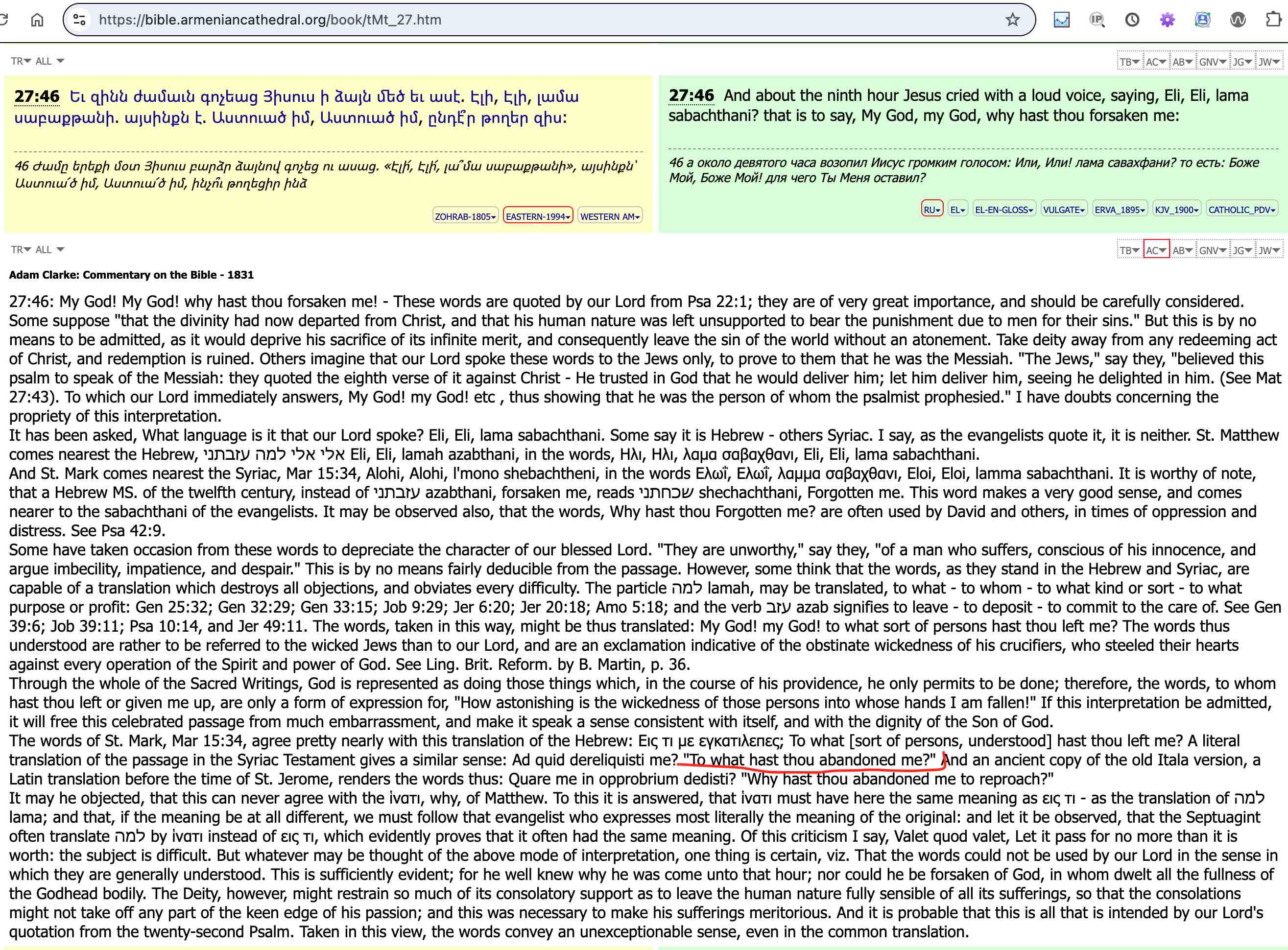
- Eli, Eli, lama sabachthani | Էլի՜, Էլի՜, լա՞մա սաբաքթանի